Copper Carbonate Basic Gains Industry Attention as Agricultural and Feed Markets Expand
As global agriculture undergoes continuous modernization and nutritional standards for livestock improve, interest in Copper Carbonate Basic is rising across feed formulation, micronutrient supplementation, and specialty agrochemical applications. Industry observers report that new supply chain developments and refined production technologies are helping to reshape market expectations for purity, consistency, and performance — particularly in regions adopting highefficiency farming practices.
In this evolving landscape, Hongyuan Renewable Resources has emerged as a notable supplier, bringing greater visibility to a niche materials category that plays a crucial role in crop nutrition and animal health. Analysts suggest that the company’s focus on quality control and resource recovery aligns with broader trends in sustainable feed additives and ecofriendly agricultural inputs.
Understanding Copper Carbonate Basic and Its Chemical Identity
Copper Carbonate Basic, chemically known as Dicopper Carbonate Dihydroxide, is recognized in industrial literature under multiple naming conventions, including Cupric Carbonate Basic, Basic Copper Carbonate, Basic Cupric Carbonate, Carbonate Copper Basic, and simply Copper Carbonate Basics. These terms refer to hydrated copper carbonates incorporated into agricultural systems for their essential micronutrient copper content.
Commercial variants such as 55% Copper Carbonate Basic and 54% Copper Carbonate Basic represent typical purity specifications aligned with downstream feedgrade and fertilizergrade applications. Powdered forms — often described as Copper Carbonate Basic Powder or High Purity Copper Carbonate Basic — provide handling advantages for bulk feed blending, pelleting, or suspension preparations in fertilizer solutions.
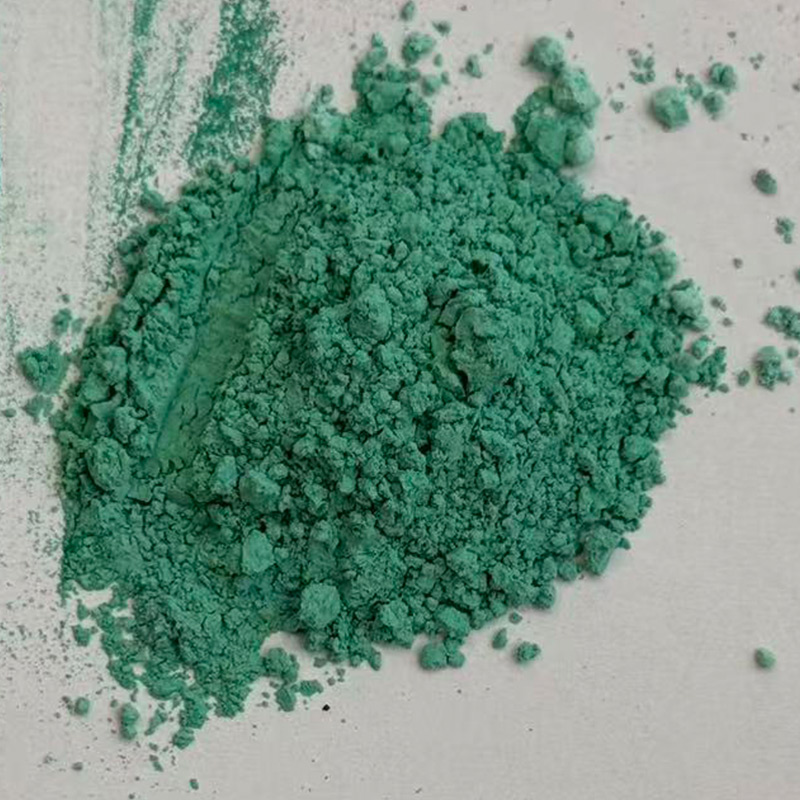
The compound’s greenishblue appearance, high copper loading, and moderate solubility profile enable controlled copper release, making it suitable for plant and animal metabolism without immediate oxidative or toxicity concerns when administered within standardized dosage guidelines.
Agricultural and Feed Applications Drive Market Growth
Copper plays a documented role in biological systems, influencing enzyme activity, redox reactions, immune response, and metabolic regulation. As a result, Copper Carbonate Basic is widely incorporated into:
Livestock feed premixes
Mineral blocks and nutritional supplements
Fodder additives for cattle, swine, poultry, and aquaculture
Soil micronutrient treatments for crops experiencing copper deficiency
In livestock feed production, controlled supplementation is essential to maintaining growth performance and reproductive health while preventing tracemineral imbalances. The relatively stable release characteristics of Basic Copper Carbonate make it appealing to formulators seeking consistency across seasonal and regional feed programs.
Agronomists note that copperdeficient soils can significantly reduce cereal, fruit, and vegetable yields in temperate agricultural zones. The application of Basic Cupric Carbonate in granular and foliar fertilizer systems provides a pathway for targeted micronutrient correction, improving crop vitality and disease resistance.
Brand Spotlight: Hongyuan Renewable Resources Advances Market Position
Within this specialized sector, Hongyuan Renewable Resources has positioned itself as a technical supplier capable of meeting agricultural demands for consistency, traceability, and regulatory compliance. Market analysts attribute the company’s progress to its integration of renewable resource utilization, modern filtration systems, and precision formulation capabilities.
Industry sources suggest that demand for specialized copper additives is steadily increasing, particularly from feed manufacturers seeking alternatives to inorganic salts such as copper sulfate. Compared with sulfates, carbonatebased systems may offer improved bioavailability and reduced antagonism with other feed High Purity Copper Carbonate Basic minerals, depending on formulation conditions.
The strategic use of carbonatebased micronutrients reflects a broader trend in optimizing feed efficiency while reducing waste and minimizing environmental discharge — key themes in contemporary livestock and aquaculture systems.
Purity, Specification, and FeedGrade Standardization
Purity remains a primary criterion for feedgrade Cupric Carbonate Basic. Specifications such as 54% Copper Carbonate Basic and 55% Copper Carbonate Basic correspond to copper content ratios aligned with international nutritional guidelines and permit accurate formulation at scale. Higherpurity variants reduce unpredictability in dosage calculations and minimize impurities that could interfere with digestion or soil absorption rates.
Producers of High Purity Copper Carbonate Basic have invested in improved crystallization and refining technologies to enhance stability during storage and transport. Granular and microfine forms offer reduced dusting and improved dispersion in feed mixers and fertilizer tanks, supporting occupational safety and mixing uniformity in industrial settings.
Global Trade Landscape and Competitive Supply Chain Dynamics
The global trade environment for Copper Carbonate Basic Powder has undergone restructuring as agricultural importers diversify sourcing channels in response to geopolitical shifts, freight volatility, and raw material fluctuations. Southeast Asia, Latin America, and Eastern Europe have emerged as growth regions for feedgrade copper additives, while established markets in the European Union maintain stringent regulatory frameworks governing trace mineral supplementation.
Analysts indicate that countries with sophisticated aquaculture industries, including Vietnam, Chile, and China, are expanding their procurement volumes as the nutritional management of aquatic species becomes increasingly standardized. This trend may benefit strategic exporters such as Hongyuan Renewable Resources, which has developed capabilities in outbound supply logistics and customer specification matching.
Environmental and Regulatory Considerations Gain Attention
Environmental accountability plays an expanded role in shaping the future of trace mineral additives. Excessive copper disposal through manure runoff or aquaculture discharge can contribute to soil accumulation and aquatic ecosystem stress. Such concerns have prompted regulators to implement dosing caps, traceability requirements, and research initiatives supporting controlledrelease micronutrients.
Carbonatebased copper additives have entered this conversation due to their moderate solubility and adaptability to precision feeding strategies. Market observers expect that tighter controls will encourage innovation in copper delivery mechanisms that balance nutrient uptake with ecological stewardship.
Technology, Research, and Future Market Potential
Industry researchers are exploring mechanisms that enhance copper absorption efficiency in ruminants and monogastric animals. Microencapsulation, organic complexing, and synergistic trace mineral blends represent avenues for future product differentiation. While Copper Carbonate Basics currently function as a mainstream inorganic option, advancements in bioavailability science may expand its roles within integrated feed systems.
On the agricultural side, micronutrient deficiencies are becoming more visible as intensive farming practices deplete soil mineral reserves. As governments invest in fertilizer optimization programs and sustainable food security initiatives, demand for trace inputs such as copper carbonates is likely to expand.
Outlook: MultiSector Growth and Stable Demand Trajectory
Looking ahead, analysts predict a stable growth trajectory for Copper Carbonate Basic across agricultural and feed markets, driven by:
Modern livestock nutrition standards
Soil micronutrient management
Aquaculture system expansion
Export trade diversification
Sustainability and environmental priorities
Increased regulatory harmonization
The integration of Hongyuan Renewable Resources into this landscape highlights the role of specialized suppliers in shaping market access and quality expectations. With agricultural systems becoming more datainformed and environmentally conscious, the relevance of copperbased micronutrients is expected to remain strong.
Conclusion
From livestock feed to soil treatments, Copper Carbonate Basic stands at the intersection of agricultural productivity and nutritional science. As technological capabilities advance and sustainability goals reshape industry norms, carbonatebased copper additives may experience renewed strategic importance.
With diversified specification options — including 54% and 55% Copper Carbonate Basic — and advanced formulations such as High Purity Copper Carbonate Basic Powder, the sector continues to evolve. Supported by suppliers like Hongyuan Renewable Resources, the market is wellpositioned to adapt to future agricultural needs and regulatory frameworks.